A work permit is the document that authorizes you to work in Canada temporarily. Whether you need an open work permit or an employer-specific permit, we help you choose the right category and prepare a complete application.
If you want to work in Canada, the right work permit category matters. You may need an employer-specific permit, an open work permit, an LMIA-based process, an LMIA-exempt route, or a spouse or graduate-related option.
This service is for workers and employers who want help choosing the correct work permit pathway and preparing the application with clear supporting documents.
A work permit is the document that authorizes you to work in Canada temporarily. Whether you need an open work permit or an employer-specific permit, we help you choose the right category and prepare a complete application.
Open work permits let you work for almost any employer in Canada. They are available only in specific situations, such as certain spouses, some graduates, sponsored spouses in Canada, and some refugee or humanitarian cases.
Employer-specific permits are tied to a named employer, job, location, and duration. They are commonly based on a valid job offer and, in many cases, a positive LMIA or another exemption code.
Some temporary workers may be exempt from needing a work permit, depending on the exact activity and duration. Common examples include:
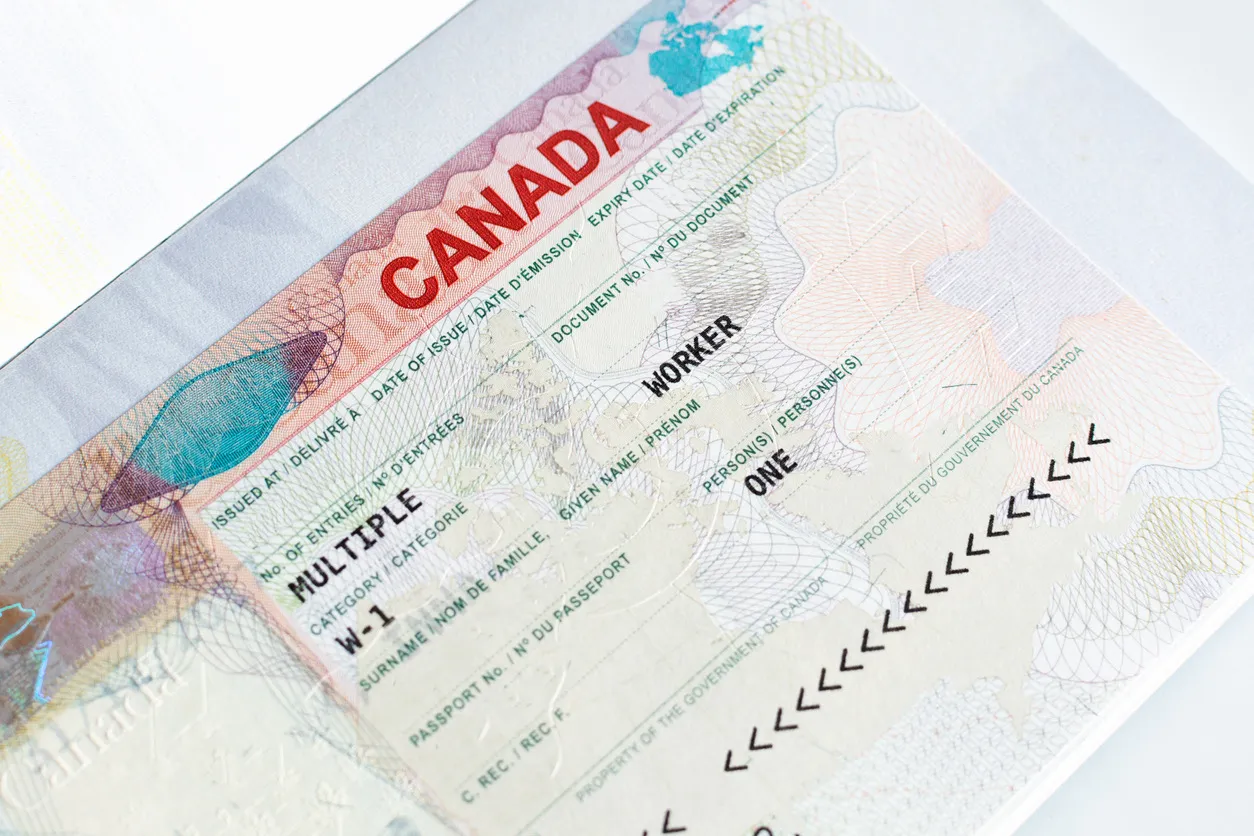
Work permit applications depend on choosing the correct category and matching the documents to that category. RA Migration helps workers and employers understand the difference between open permits, employer-specific permits, LMIA-based permits, and LMIA-exempt options.
We help review eligibility, organize job offers, employer documents, proof of qualifications, status history, and family documents where relevant. Our focus is to make the application complete, consistent, and easier to follow.
If working in Canada is your next step, RA Migration can help you prepare the right work permit strategy before you submit.
Yes, in many situations. If you’re already in Canada with valid status as a visitor, student, or worker, you can often apply for a new work permit, change employers, or switch permit types from within Canada. The rules depend on your current status, what program you’re applying under, and whether your application falls under the International Mobility Program (IMP) or the Temporary Foreign Worker Program (TFWP, which involves an LMIA).
Common in‑Canada pathways include: PGWP for recent graduates, Spouse Open Work Permit if your spouse has eligible status, extensions when you already have a work permit, Bridging Open Work Permits for those with PR applications in process, and changes of employer for workers with existing permits. Timing matters. Always apply before your current status expires.
A work permit generally falls into one of two buckets. LMIA‑based permits require the Canadian employer to get a Labour Market Impact Assessment, a document from Service Canada that says hiring a foreign worker won’t negatively affect the Canadian labour market. That process takes time, costs the employer $1,000, and involves advertising the job locally first.
LMIA‑exempt permits skip that step because they fall under one of many exemptions: intra‑company transferees, CUSMA/CPTPP professionals, spouses of skilled workers or students, post‑graduation work permits, International Experience Canada (working holiday), and so on. These are faster and don’t require employer advertising.
The Global Talent Stream is a special fast‑track within the LMIA program, designed for innovative Canadian employers hiring highly skilled global talent, typically in tech and specialized fields. The service standard is approximately 10 business days for the LMIA, and IRCC prioritizes the matching work permit for similar fast processing. For comparison, a regular LMIA can take months.
GTS has two categories. Category A is for employers referred by one of ESDC’s designated referral partners, hiring unique and specialized talent. Category B is for hiring roles on the Global Talent Occupations List: software engineers, web developers, data scientists, mechanical engineers, and similar positions. Employers must commit to a Labour Market Benefits Plan (LMBP) that creates jobs or training for Canadians and pay at least the prevailing wage (with a minimum $80,000 threshold for Category A unique‑and‑specialized roles).
A Spouse Open Work Permit (SOWP) lets the spouse or common‑law partner of an eligible student or worker come to Canada and work for any employer. Historically, this was broadly available, but IRCC restricted eligibility significantly starting in 2024.
As rules currently stand, SOWPs are available only when the principal applicant meets specific criteria. For spouses of international students, this is generally limited to spouses of students in graduate‑level programs (master’s and doctoral) and certain professional programs. For spouses of workers, eligibility is generally tied to higher‑skilled occupations (TEER 0 and 1, plus select TEER 2 and 3 jobs in sectors with labour shortages). These rules are actively changing, so we always verify current eligibility at the time of application.
Don’t wait. Apply before your status expires. If you want to stay longer as a visitor, apply for a Visitor Record extension at least 30 days before your current status runs out. If you want to switch to a work or study permit from within Canada, certain programs allow that but not all, and the rules here change often.
Overstaying without taking action can lead to removal orders and future inadmissibility. This is one area where timing really matters. Call us the moment you know there’s an issue, not the week before your status ends.
RA Migration serves clients across Ontario and Quebec, online and in person from our Burlington office, with Arabic-speaking service.
Immigration consultant in Toronto, Ontario.
Immigration consultant in Mississauga, Ontario.
Immigration consultant in Ottawa, Ontario.
Immigration consultant in Hamilton, Ontario.
Immigration consultant in London, Ontario.
Immigration consultant in Montréal, Quebec.
Immigration consultant in Laval, Quebec.
Every community we serve across Ontario & Quebec.