

Intra-Company Transfer and CUSMA Work Permit Consultant
Intra-company transfer and trade agreement work permits can support cross-border business mobility without a Labour Market Impact Assessment when the facts fit the exemption. We help employers and professionals build a clear, well-documented strategy.
Are You Moving Talent Across Borders?
If your company is transferring an employee to Canada or using a trade-agreement work permit category, the details matter. The role, employer relationship, worker qualifications, citizenship, job duties, and Canadian assignment must all fit the chosen category.
This service is for employers and professionals who want a clear LMIA-exempt strategy before preparing an intra-company transfer, CUSMA, or related business mobility application.
Common reasons clients ask for help
- You need to transfer a key employee to a Canadian entity.
- You are exploring CUSMA or another trade-agreement category.
- You need help proving the role, qualifications, or corporate relationship.
- You want employer portal and work permit steps coordinated properly.
Multinational employers and cross-border professionals
This service is for companies transferring key employees to Canada, businesses using trade agreement categories, and professionals who need help proving the role, qualifications and employer relationship.
Last reviewed
May 26, 2026. Immigration rules, fees and processing times can change. We verify current government instructions before preparing an application.
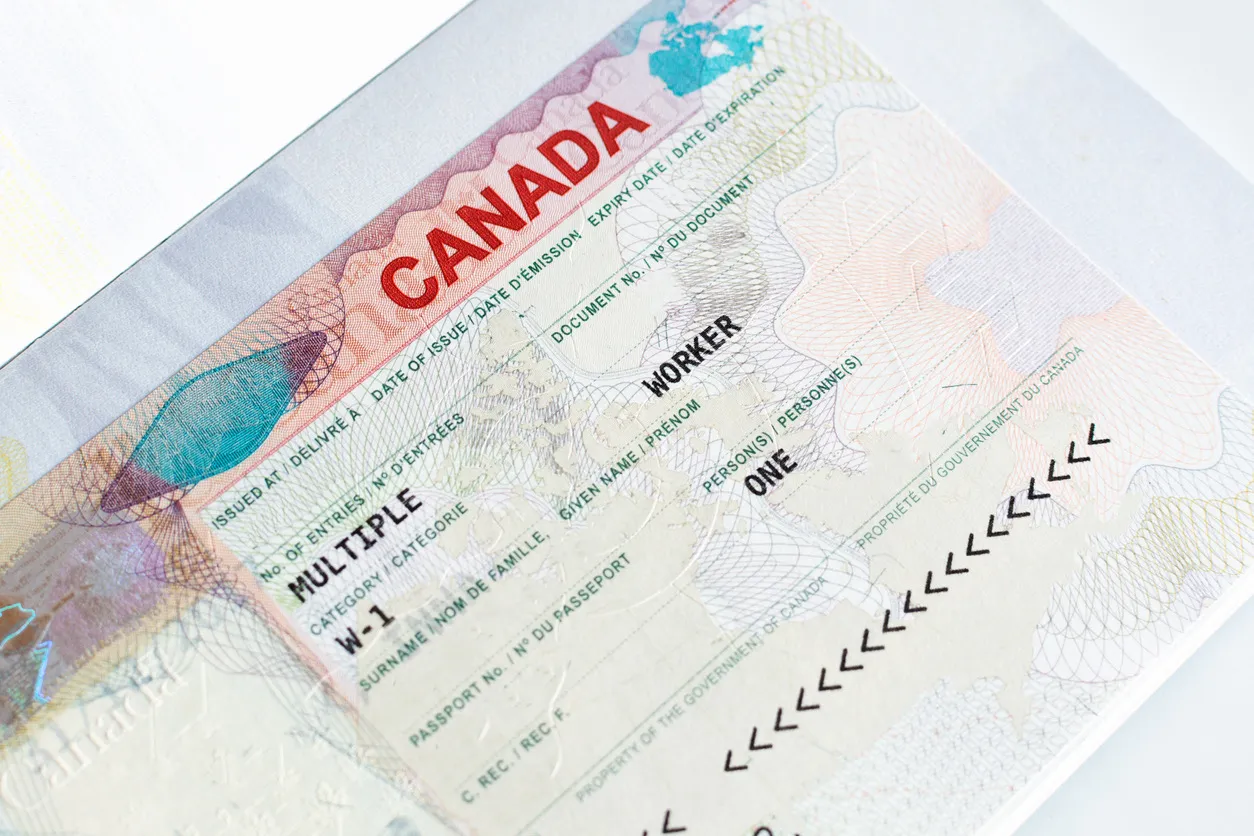
Business Mobility Without an LMIA
Some employer-specific work permits may be LMIA-exempt through the International Mobility Program, including categories connected to international agreements and significant business mobility.
The exact category matters. A transfer, professional assignment or trade agreement application must match the worker's citizenship, role, employer relationship, duties, credentials and intended work in Canada.
Who is eligible for an intra-company transfer or CUSMA work permit?
Eligibility depends on your facts, the exact stream, current government rules and the documents available at the time you apply. Common factors include:
- A valid LMIA exemption category for the proposed Canadian work.
- A genuine employer relationship and job offer in Canada.
- Evidence of the worker's role, experience, seniority or specialized knowledge where relevant.
- Credentials, licences or qualifications required for the occupation.
- Employer Portal offer and compliance fee where required.
- Worker admissibility and complete work permit documents.
What documents do you need for an intra-company transfer or CUSMA work permit?
This is a practical starting list, not a complete document checklist. The final list depends on your program, country of residence, family members and government instructions.
- Corporate relationship documents for transfers.
- Employment letters from the foreign and Canadian entities.
- Job description, NOC/TEER, salary and work location details.
- Proof of qualifications, licences and professional credentials.
- Employer Portal offer number where required.
- Business plans, assignment letters or client/project details where relevant.
How a licensed RCIC helps with an intra-company transfer or CUSMA work permit
- Review your eligibility and compare available pathways before you apply.
- Organize evidence, forms and timelines so the application tells a clear story.
- Prepare submission packages and representative portal steps where authorized.
- Identify gaps, inconsistencies, expired documents and avoidable refusal risks.
- Explain government requests and next steps in plain language.
What goes wrong with an intra-company transfer or CUSMA work permit applications?
Careful preparation matters because small errors can slow down a file or weaken credibility.
Wrong pathway
Choosing a stream before checking all criteria can lead to wasted time, missed deadlines or a weak application.
Inconsistent details
Dates, job titles, addresses and family information should match across forms, letters and supporting evidence.
Missing evidence
A file can be refused or delayed when important proof is missing, unclear, expired or not translated properly.
Late responses
Government document requests usually have deadlines. Missing them can create serious problems for the application.
Why RA Migration
Business mobility applications require precise category fit. RA Migration helps employers and workers understand how the proposed Canadian role, foreign employment, corporate relationship, qualifications, and work permit category should be documented.
We help organize employer letters, corporate records, job duties, credentials, portal steps, and supporting explanations. Our focus is to make the file clear and consistent without overstating eligibility.
If your business needs cross-border talent mobility, RA Migration can help you prepare a structured and well-supported application.
What we focus on
- Category-fit review
- Corporate relationship evidence
- Employer portal coordination
- Worker document preparation
Frequently Asked Questions
Many intra-company transfer situations may be LMIA-exempt if the worker, role and corporate relationship meet the correct criteria.
CUSMA can support temporary entry for certain business persons, but the category and eligibility must match the facts.
Some categories require a work permit and some business visitor activities may not. The correct category must be checked carefully.
For many employer-specific LMIA-exempt work permits, the employer must submit an offer through the Employer Portal unless exempt.
Family eligibility depends on the worker's permit, job, family relationship and current IRCC rules.
Yes. We can help organize employer letters, corporate relationship evidence and work permit support documents.
Immigration help across Ontario & Quebec
RA Migration serves clients across Ontario and Quebec, online and in person from our Burlington office, with Arabic-speaking service.
Toronto
Immigration consultant in Toronto, Ontario.
Mississauga
Immigration consultant in Mississauga, Ontario.
Ottawa
Immigration consultant in Ottawa, Ontario.
Hamilton
Immigration consultant in Hamilton, Ontario.
London
Immigration consultant in London, Ontario.
Montréal
Immigration consultant in Montréal, Quebec.
Laval
Immigration consultant in Laval, Quebec.
All areas we serve
Every community we serve across Ontario & Quebec.